

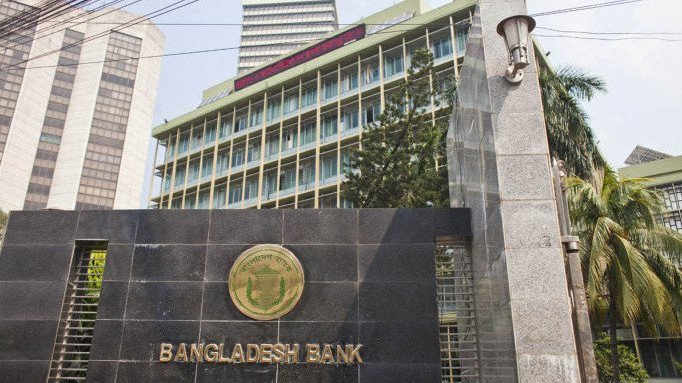
In just a year, Bangladesh Bank has extended its special loan rescheduling package for the second time, with a more generous offer, after failing to fix the problem of default loans.
Defaulters are being repeatedly rewarded instead of developing the legal framework needed to make the recovery of defaulted loans more effective.
The formulation of a new Distressed Asset Management Act, 2026, for the management, restructuring and resolution of distressed assets held by banks and financial institutions, as well as amendments to the Money Loan Court Act, 2003, remain pending Cabinet approval.
Bangladesh Bank Governor Md Mostaqur Rahman on Monday requested Finance Minister Amir Khosru Mahmud Chowdhury in a letter to take the necessary measures to place the two laws before Parliament during its ongoing session.
The central bank has already sent the drafts of the two laws to the Financial Institutions Division of the finance ministry for necessary action, according to the letter.
“As you are aware, immediately after assuming office, I [governor] undertook several effective initiatives aimed at revitalising the country’s economy, including creating employment by reopening closed and capital-constrained industries, restoring depositors’ confidence through re-establishing good governance in the banking sector, expanding the digital financial system, and increasing foreign exchange reserves to the desired level.
“Nevertheless, the high level of non-performing loans and distressed assets in the banking sector continues to act as an obstacle to overall financial stability in the country,” the letter said.
“I am hopeful that the two laws will help accelerate the recovery of non-performing loans, improve the quality of the balance sheets of banks and financial institutions, and strengthen good governance in the banking sector,” it added.
Around 300 borrowers rescheduled and restructured loans worth nearly Tk1 lakh crore under the special rescheduling package announced in September last year, which offered 10 years for repayment with a two-year grace period.
Even as many defaulters remained within that grace period, Bangladesh Bank came up with another offer allowing them to make a fresh application under the latest package.
The latest package, announced on 31 August, was more generous, allowing defaulters with loans of over Tk1,000 crore to reschedule their loans for 15 years with a two-year grace period, while the restructuring period was extended to four years from the previous two.
Explaining the necessity of extending the rescheduling facility again, Shahriar Siddiqui, Bangladesh Bank’s director and assistant spokesperson, said, “After the previous support was provided, we faced a gas crisis. The Iran war also affected oil prices. The economy has come under stress several times. This has had an impact on industries.”
“Because industries have come under stress, their normal cash flows have been disrupted. The situation was reviewed, and it was decided that the repayment arrangements should be made somewhat more relaxed.”
He said most of the defaulters who availed the facility previously are still within the grace period. “So the point is that they may come under stress in the future, and this new arrangement has been introduced to make things smoother in anticipation of that,” he added.
Shahriar said the business community had also requested Bangladesh Bank to extend the facility considering the current energy crisis.
The Bangladesh Bank managed to reduce the default loan ratio temporarily to 30.60% in December 2025 with the help of rescheduling, but it rose further in March, reaching 32.26%, after defaulters who had availed the facility failed to repay their loans.
“It is encouraging more people to become defaulters. You are rewarding the defaulters. If you reward defaulters, more people will want to become defaulters,” said Muhammad A Rumee Ali, former deputy governor of Bangladesh Bank.
He said repeatedly giving easier terms to loan defaulters may weaken repayment discipline and encourage strategic default. Instead of repeated rescheduling, Bangladesh Bank should focus on genuine loan recovery, proper provisioning and stronger mechanisms for dealing with distressed assets.
He said individual banks should properly assess these loans and ensure adequate provisioning. If proper provisioning is made, perhaps even 100% where necessary, the banks may be somewhat safer.
Otherwise, continued extensions will mean a continuing capital shortfall for banks. These measures put stress on the entire banking sector and can ultimately create a stability problem for the sector as a whole.
Rumee Ali said those receiving the benefits may enjoy a free ride, but the burden ultimately falls on responsible borrowers, banks, depositors and the wider community.
Why the rescheduling facility fails
In a Zoom meeting with bankers a month ago, the governor expressed frustration with the previous policy committee, saying mos